Take it or leave it. The Grammys is an American award institution that has built its global reputation on decades of consistency, structure, and clear cultural ownership.
In its 67 year history, the Grammys has never been an African award, and it doesn’t need to be. The organizers reserve the right to expand their scope and recognize whoever they consider deserving.
While awards bring prestige and validation, losing out does not equate to failure or artistic inadequacy. In fact, a nomination alone is a significant win. That said, the creation of ‘African categories’ often feels less like inclusion and more like Africans being encouraged to compete only among themselves.
How many Africa-based or Africa-originated artistes have been nominated in major categories such as Rap, R&B, or Jazz? Very few, if any. Not by accident. These genres are culturally owned by Americans, and there is a strong belief within that system that no one executes them better.
Meanwhile, the African music industry, particularly Nigeria’s is grappling with an identity crisis. Distinct genres such as Afropop, Fuji, Juju, and Highlife are routinely lumped together under the vague umbrella of ‘Afrobeats’, while Afrobeat, the original, politically charged sound pioneered by Fela Anikulapo Kuti struggles for preservation and recognition.
It is worth remembering that despite decades of global influence and multiple nominations, it took the Grammys nearly 29 years to posthumously honour Fela with a Lifetime Achievement Award.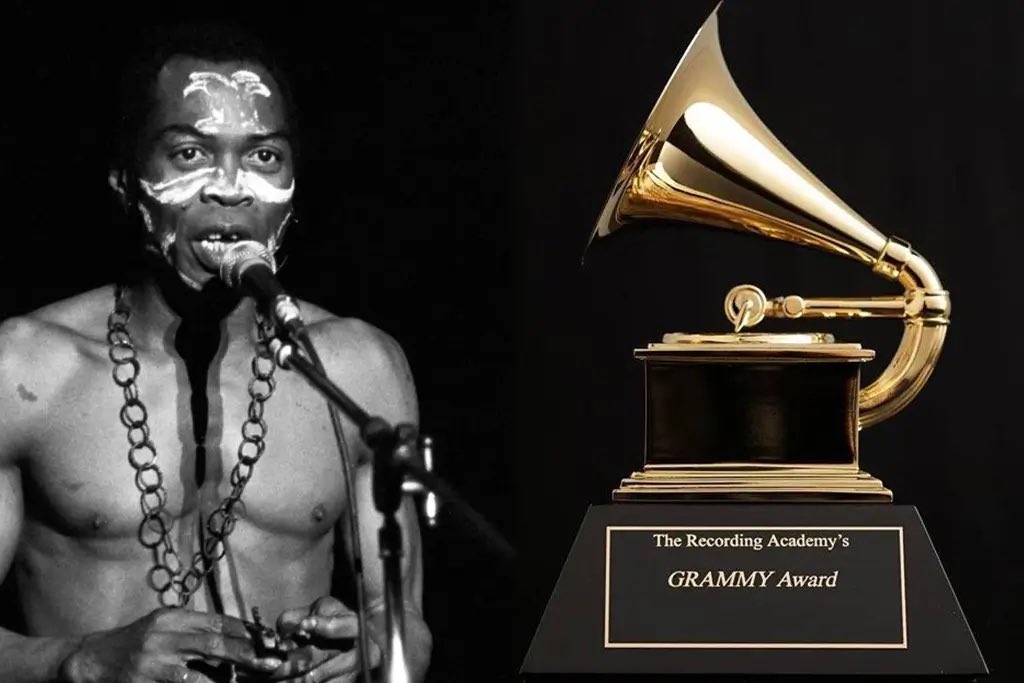
This is not a call for resentment but for realism. Enough of the entitlement mentality. Africa must learn to celebrate, strengthen, and respect its own award platforms because true cultural validation begins at home- #trendingpost by Omogbolahan Akinwumi